Sewer Line Locating in Brea, CA: Finding the Main Line Before Anyone Digs
Most Brea homeowners have no idea where their sewer lateral actually runs. They assume it takes the shortest path from the house to the street. Sometimes it does. Often it swings wide around an old foundation, jogs to avoid a utility trench, or runs at an angle nobody would guess from the curb. That guess becomes expensive the moment a shovel goes in the ground.
Electronic line locating removes the guessing. We put a transmitting sonde into the line, walk the surface with a receiver, and mark the pipe's path and depth in paint on the driveway or street. Call 714-992-6363 and we can have the line mapped before your project starts.
Why Brea Properties Make This Worth Doing
Brea's housing stock spans a wide range. Homes near Downtown Brea and the Birch Street corridor sit on infrastructure that predates most of the current owners, and many of those laterals are original clay. Up in the Carbon Canyon and Olinda Ranch areas, the hillside grades mean laterals run longer and deeper than they do on flat lots, and decades of soil movement can shift a pipe well off whatever line an as-built drawing shows.
Then there's the paperwork problem. Lateral routing is rarely recorded in any useful detail. City records typically show where the main runs under the street — not where your private line meets it. On a remodel, that gap is where the surprises come from.
How the Locate Actually Works
The process pairs two tools. A small transmitting sonde travels through the line, either mounted behind the camera head during a sewer scope or pushed on its own rod. Above ground, a receiver picks up the signal and reads out both horizontal position and depth.
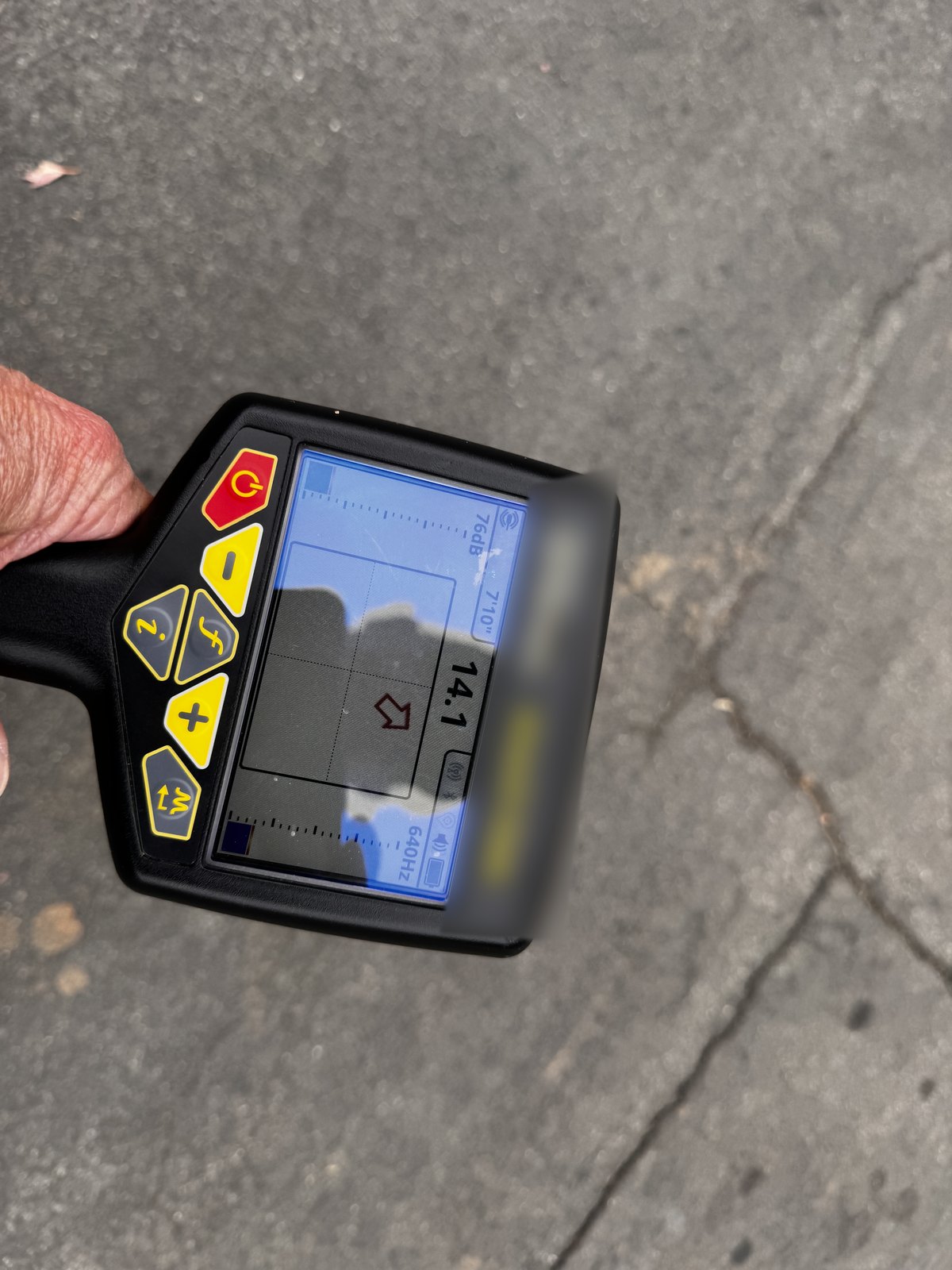
That depth number matters as much as the position. A line 3 feet down and a line 8 feet down are completely different jobs — different excavation method, different shoring requirements, different cost. Knowing it in advance is the difference between a bid you can trust and a bid with a wide margin baked in for the unknown.
When Locating Pays For Itself
- Room additions and ADUs. Building over a sewer lateral creates a permanent access problem. Finding it first lets you shift the footprint or reroute the line while it's still cheap to do.
- Pools, spas, and deep landscaping. Excavation crews dig fast. Marked lines are the only reliable protection.
- Hardscape and driveway work. Nobody wants to break new concrete a year later because a repair point ended up underneath it.
- Targeted repairs. When a scope finds a crack or root intrusion at 42 feet, locating turns that measurement into an X on the ground — so the excavation is one small hole instead of an exploratory trench.
- Tree planting. Brea has a lot of mature landscaping and a lot of root-damaged laterals. Knowing the route tells you where not to plant.
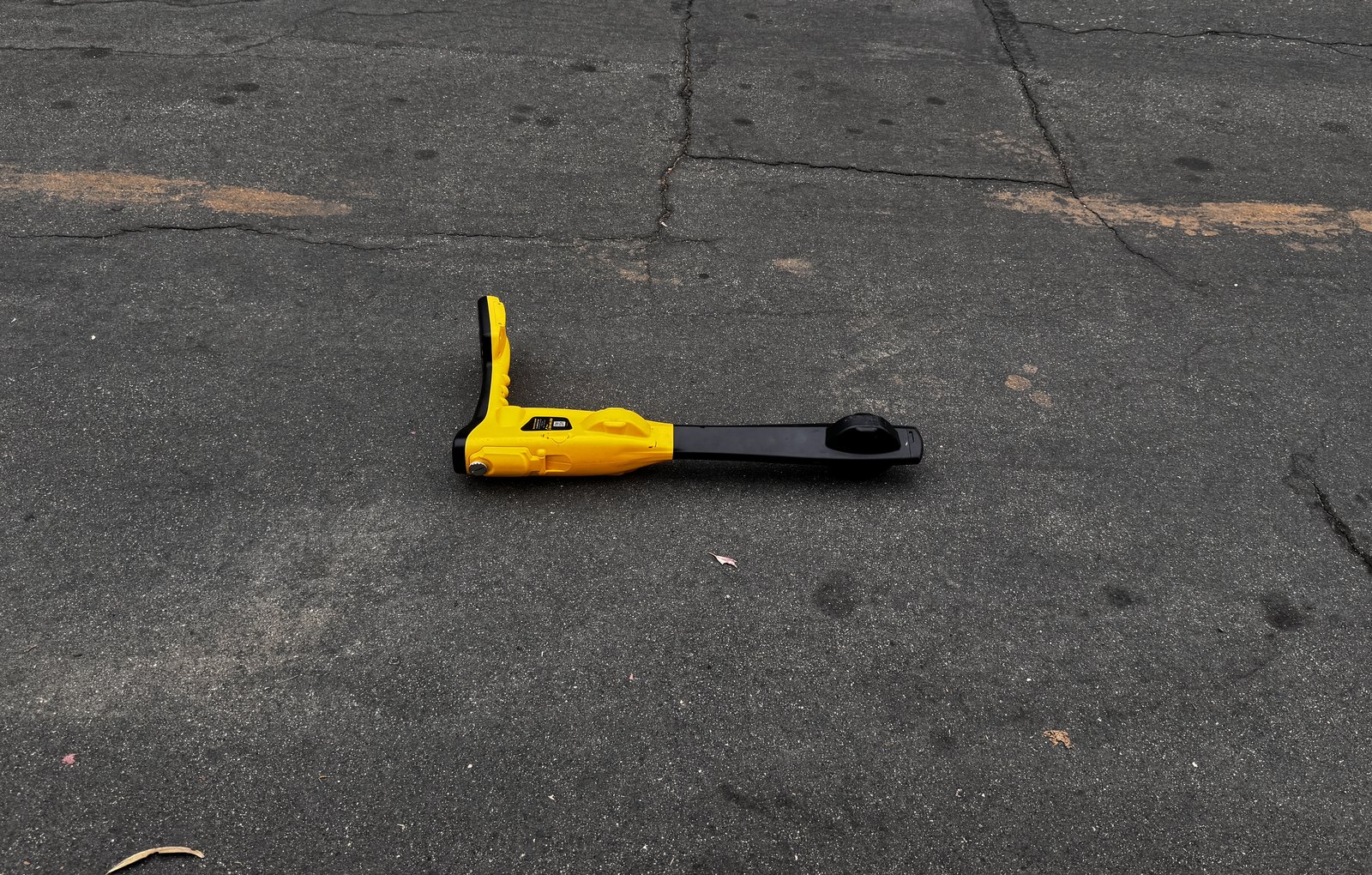
Locating and inspection work best together. A camera inspection tells you what condition the pipe is in. Locating tells you where it is. Run them in the same visit and you get a complete picture of the line — condition, route, and depth — in one appointment.
What You Get From Us
Every locate ends with paint marks on the surface showing the route and depth callouts at key points. If we ran a camera as part of the visit, you also get a walkthrough on site — we show you what we found and what it means in plain language — followed by a detailed PDF report emailed to you, with the findings documented for your contractor, your inspector, or your own records.
That report matters more than most homeowners expect. Contractors bid tighter when they aren't pricing in unknowns, and a documented line route is worth having on file long after the project wraps.
Get Your Sewer Line Located in Brea
Serving Brea, Fullerton, Placentia, Yorba Linda, and the rest of North Orange County. Same-week scheduling in most cases.
Call 714-992-6363